
Table of Contents
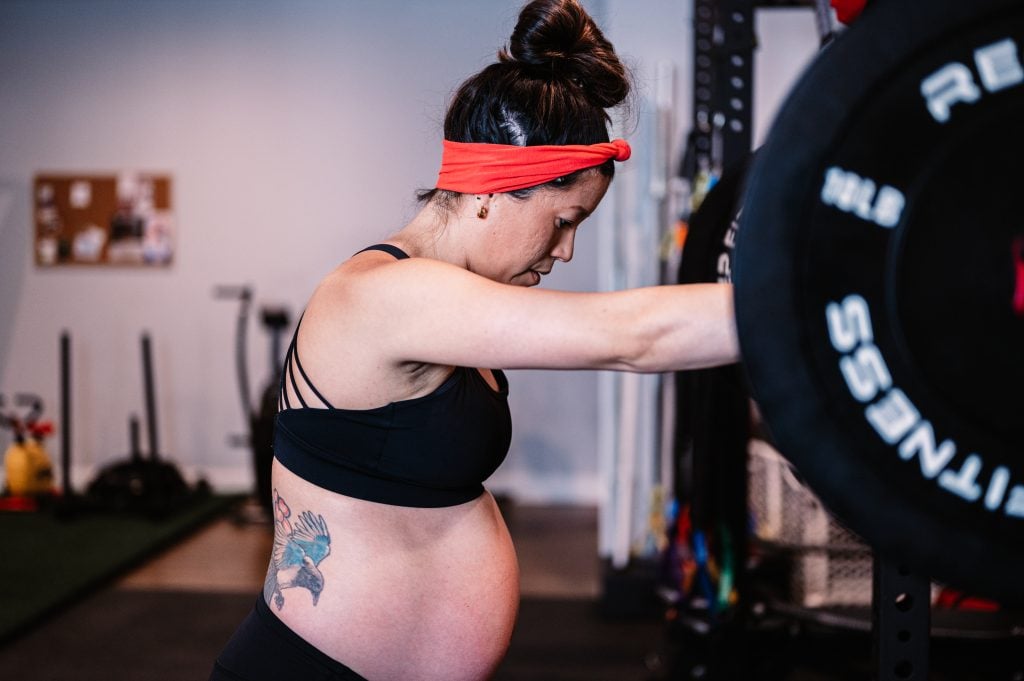
For years, pregnant women were often told to “take it easy,” avoid heavy lifting, and stick to gentle movement. But modern research is painting a very different picture. Exercise—including lifting weights while pregnant—isn’t just safe for most people; it can significantly improve maternal health, pregnancy comfort, postpartum recovery, and even baby’s development.
While birth preparation is often the focus of prenatal fitness, the benefits go far beyond labor and delivery. Regular strength training and moderate-to-vigorous exercise during pregnancy can positively impact inflammation, glucose regulation, mood, pain levels, energy, and long-term physical function.
In this blog, we’ll break down the latest prenatal fitness research and explore what the evidence actually says about exercising during pregnancy.
Subscribe to our YouTube Channel for more weekly workouts and educational videos! We publish one new workout video and 2-3 educational videos a week on our channel.
Why Prenatal Fitness Matters
Pregnancy creates enormous physical, hormonal, and metabolic changes throughout the body. As the baby grows, posture changes, the center of gravity shifts, blood volume increases, and the musculoskeletal system adapts to support both mother and baby.
Exercise helps the body adapt to these changes more efficiently.
Research increasingly shows that prenatal fitness can:
- Reduce pregnancy discomfort
- Improve energy and mood
- Support healthy glucose regulation
- Lower risk of pregnancy complications
- Improve strength and endurance
- Enhance postpartum recovery
- Support fetal development
And importantly—it’s not just gentle stretching or walking that provides these benefits. Resistance training and moderate-to-vigorous exercise appear to play a major role.
What the Research Says About Prenatal Exercise
One of the most recent systematic reviews published in the American Journal of Obstetrics and Gynecology examined 11 randomized controlled trials evaluating the effects of exercise during pregnancy on maternal biomarkers.
The researchers found the strongest positive effects occurred when exercise programs:
- Lasted at least 12 weeks
- Were performed 2–3 times per week
- Included moderate to vigorous intensity exercise
This is important because it challenges the outdated belief that pregnant women should only participate in low-intensity movement.
What Counts as Moderate or Vigorous Exercise?
Moderate intensity exercise may include:
- Strength training with moderate weights
- Higher-repetition lifting
- Aerobic exercise where conversation is possible, but somewhat challenging
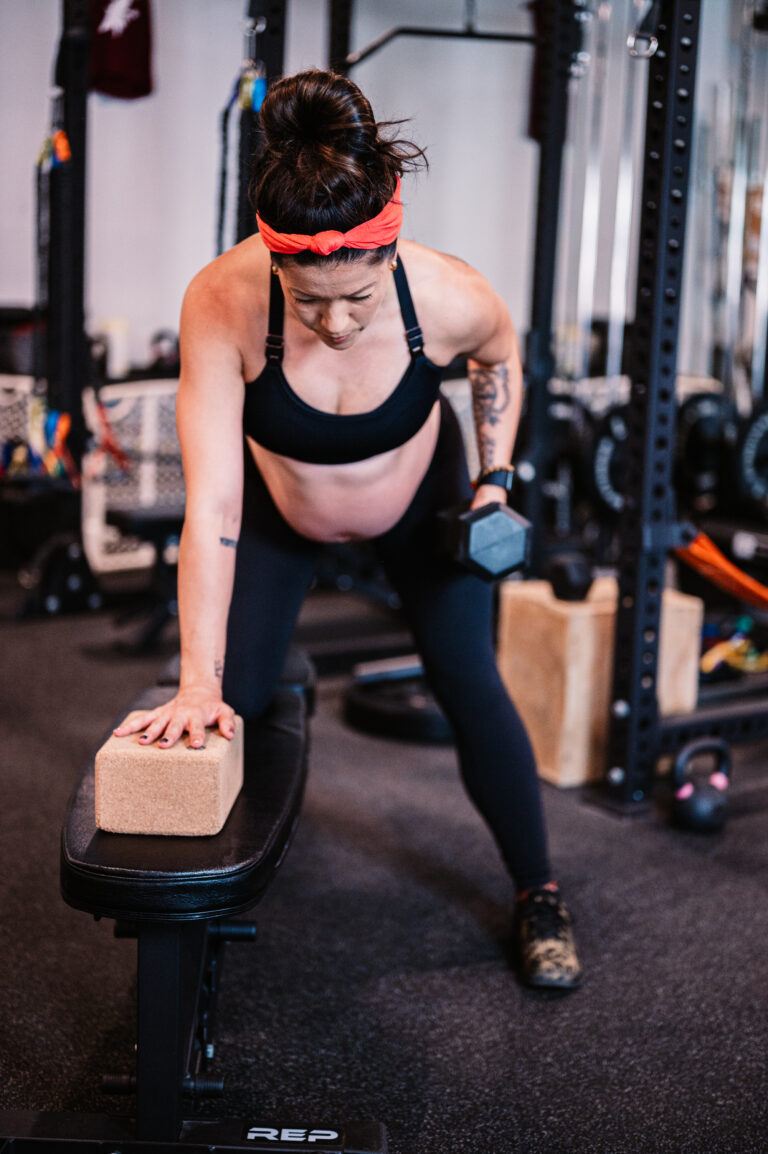
Vigorous intensity exercise may include:
- Heavier lifting
- More demanding cardio sessions
- Workouts where speaking becomes difficult during effort
For many healthy pregnancies, these intensity levels can be both safe and beneficial when appropriately programmed.

Understanding Biomarkers During Pregnancy
The study examined how exercise affected several maternal biomarkers. Biomarkers are measurable indicators inside the body that help researchers understand what’s happening physiologically.
Think of biomarkers as your body’s internal report card.
The key categories examined included:
- Inflammation
- Glucose and insulin regulation
- Lipid metabolism
- Hormonal and growth factors
Let’s break down each one.
Exercise Helps Regulate Inflammation
Pregnancy naturally changes the immune system and inflammatory response. While some inflammation is necessary for healing and adaptation, excessive or chronic inflammation can contribute to complications like:
- Preeclampsia
- High blood pressure
- Poor recovery
- Increased discomfort
The review found that exercise was associated with reduced pro-inflammatory markers during pregnancy.
This suggests that regular prenatal exercise may help the body regulate inflammation more effectively, potentially supporting healthier pregnancies overall.
Prenatal Exercise Improves Glucose Regulation
One of the strongest findings in the research relates to glucose and insulin regulation.
During pregnancy, the body naturally becomes more insulin resistant so that more glucose is available for the growing baby. However, excessive insulin resistance can increase the risk of gestational diabetes.
Exercise—especially resistance training—helps muscles utilize glucose more efficiently.
When muscles contract during strength training, they pull glucose out of the bloodstream and use it for fuel. This improves insulin sensitivity and helps regulate blood sugar levels.
A systematic review published in Frontiers in Clinical Diabetes and Healthcare analyzed over 3,000 records examining exercise and gestational diabetes risk.
The findings showed prenatal exercise reduced the likelihood of developing gestational diabetes anywhere from 4% to 61%.
While exercise cannot completely eliminate the possibility of gestational diabetes, the evidence strongly supports movement as a protective factor.
Exercise Supports Healthy Lipid Levels
Pregnancy also changes cholesterol and triglyceride levels to support fetal development and hormone production.
These changes are normal and necessary, but exercise appears to help regulate lipid metabolism more efficiently during pregnancy.
Healthy lipid regulation may support:
- Better energy balance
- Placental function
- Hormone production
- Maternal cardiovascular health
Prenatal Fitness May Support Baby’s Brain Development
One particularly exciting area of research involves hormonal and growth factor biomarkers.
Exercise during pregnancy appears to positively influence markers associated with:
- Brain health
- Nervous system function
- Placental development
- Metabolic signaling
Some studies suggest babies born to mothers who exercised during pregnancy may demonstrate improvements in:
- Cognitive development
- Language skills
- Motor development
While research is still developing, the findings are incredibly promising.
Strength Training During Pregnancy Improves Quality of Life
Another systematic review published in 2025 examined the effects of strength training on quality of life during pregnancy.
This review included:
- 9 randomized controlled trials
- More than 1,500 pregnant participants
Researchers found strength training may help reduce:
- Excessive gestational weight gain
- Low back pain
- Sciatic pain
- Fatigue
It also improved:
- Mood
- Sleep
- Muscular strength
- Flexibility
- Psychological well-being
- Physical activity levels
For many pregnant individuals, strength training becomes one of the most effective tools for managing discomfort throughout pregnancy.
Why Strength Training Helps Pregnancy Pain
As pregnancy progresses, the growing abdomen shifts the center of gravity forward and upward.
This can create:
- Increased strain on the low back
- Pelvic instability
- Postural changes
- SI joint discomfort
- Sciatic irritation
Strength training helps improve the body’s ability to adapt to these changes.
Developing a stronger posterior chain—including the glutes, hamstrings, and back muscles—can help counterbalance the forward weight shift that occurs during pregnancy.
This often leads to improved movement, better posture, and reduced discomfort.

Can You Lift Heavy Weights While Pregnant?
One of the most common questions surrounding prenatal fitness is whether lifting heavy weights is safe.
Current research suggests that, for many healthy pregnancies, higher intensity resistance training can be well tolerated.
A study published in the British Journal of Sports Medicine examined pregnant participants performing:
- Barbell back squats
- Deadlifts
- Bench press
At intensities ranging from 70–90% effort.
Researchers also evaluated the use of the Valsalva maneuver—a breath-holding strategy commonly used during heavy lifting to stabilize the spine.
The results showed that both mothers and babies tolerated the exercises well, including during breath-holding strategies.
This is significant because many people are incorrectly told they should never hold their breath during exercise while pregnant.
While maximal lifting may not be appropriate for everyone, controlled breath bracing and heavier lifting can still be part of a safe prenatal fitness program.
Monitoring Intensity Matters
Although higher intensity exercise can be appropriate during pregnancy, self-awareness becomes especially important.
Pregnant athletes and exercisers should monitor for symptoms such as:
- Dizziness
- Lightheadedness
- Excessive fatigue
- Difficulty recovering
- Feeling unstable during lifts
Some studies also suggest incorporating additional rest between heavy sets may help support fetal heart rate recovery.
The key is learning how to adjust training intensity based on how the body feels day-to-day.
What Makes an Effective Prenatal Strength Program?
Research confirms prenatal exercise is beneficial, but it doesn’t provide a universal workout template.
Instead, effective prenatal programming should focus on:
Strength Endurance
Pregnancy requires stamina and sustained muscular support.
Programs often emphasize:
- Higher repetitions
- Controlled tempo
- Endurance-based strength work
Compound Strength Movements
Exercises like:
- Squats
- Deadlifts
- Rows
- Hip thrusts
- Presses
Help maintain overall strength and function.
Multi-Planar Movement
Pregnancy changes movement demands significantly.
Programs should include movement in multiple planes of motion, including:
- Rotation
- Lateral movement
- Single-leg stability
- Hip internal and external rotation
Posterior Chain Development
Strengthening the:
- Glutes
- Hamstrings
- Upper back
Helps offset the forward pull created by a growing belly.
Core and Pelvic Stability
Prenatal exercise should also include:
- Deep core training
- Pelvic stability work
- Breath coordination
- Functional mobility
Prenatal Fitness Is About More Than Birth
Birth is an important part of the motherhood transition—but it’s only one moment in a much larger journey.
Exercise during pregnancy can improve:
- Daily comfort
- Energy levels
- Mental health
- Confidence
- Physical resilience
- Postpartum recovery
And increasingly, research suggests these benefits extend to baby as well.
For most healthy pregnancies, movement is not something to fear. It’s something that can support both maternal and fetal health in powerful ways.
Final Thoughts
The growing body of prenatal fitness research continues to support what many coaches, clinicians, and pregnant athletes have experienced firsthand: strength training and exercise during pregnancy are incredibly beneficial.
From improving glucose regulation and reducing inflammation to supporting mental health and decreasing pregnancy discomfort, movement has a profound impact on the pregnancy experience.
Most importantly, prenatal fitness does not need to be limited to “gentle” exercise. With appropriate programming, proper guidance, and attention to individual needs, many pregnant individuals can safely continue resistance training and even higher intensity exercise throughout pregnancy.
As always, exercise recommendations should be individualized, especially if complications or contraindications are present. But for many pregnancies, staying active may be one of the best things you can do for yourself and your baby.
Looking for a Structured Prenatal Fitness Program?
At MamasteFit, prenatal fitness programs are designed to support strength, mobility, pelvic stability, and birth preparation throughout every stage of pregnancy.
Programs include:
- Strength training
- Accessory work
- Core and pelvic stability
- Birth prep exercises
- Modifications by trimester
Whether you prefer gym-based lifting or follow-along video workouts, there are options available to support your pregnancy journey. You can use code YOUTUBE 10 for 10% off any of our online offerings!
Prenatal Support Courses


Learn the science of pregnancy and birth to take the mystery of labor away! Understand why you are feeling what you feel, and learn strategies to confidently move through pregnancy and birth!
- 9h+ of Video
- Support Group
- Close Captioning

- 5 Workouts/Week
- Gym Workouts
- Self-Paced

Instructor
GINA
Workout on-demand with our prenatal fitness workout videos! Each workout is 30-40 minutes to follow along as you exercise at the same time!
- Birth Prep
- All Trimesters
- Mobility Work

Instructor
GINA
Find comfort and relief from pelvic girdle pain throughout your pregnancy and postpartum period! This program incorporates myofascial sling focused exercises to stabilize across the pelvic girdle joints.
- 3 Weeks
- On Demand Workout Videos to Follow