
Mastering C-Section Recovery: Tips and Insights with Casey

Explore expert insights on C-section recovery in this enlightening episode of the MamasteFit podcast. Discover essential tips, from wound care to mobility exercises, to support your healing journey. Learn from experienced hosts Gina and Casey as they guide you through the unique aspects of post-Cesarean recovery.
Prenatal Workout Myths: True or False?

Figuring out what is safe or not safe for prenatal workouts can be overwhelming! There is a lot of conflicting information out there about prenatal fitness, with one source saying this is the most dangerous thing you can do, but other sources state something completely different. So many of the myths about prenatal fitness are […]
Lauren’s Birth Story: Empowering Vaginal Breech Birth

Discover an inspiring and empowering vaginal breech birth story that defies conventional norms. Dive into a journey of transformation as Lauren shares her experience navigating challenges, seeking alternatives, and embracing the possibilities of vaginal breech birth. Explore the insights, emotions, and decisions that shaped her path, offering valuable insights for those intrigued by unconventional birthing choices.
Preparing for Conception: Fitness Tips for TTC
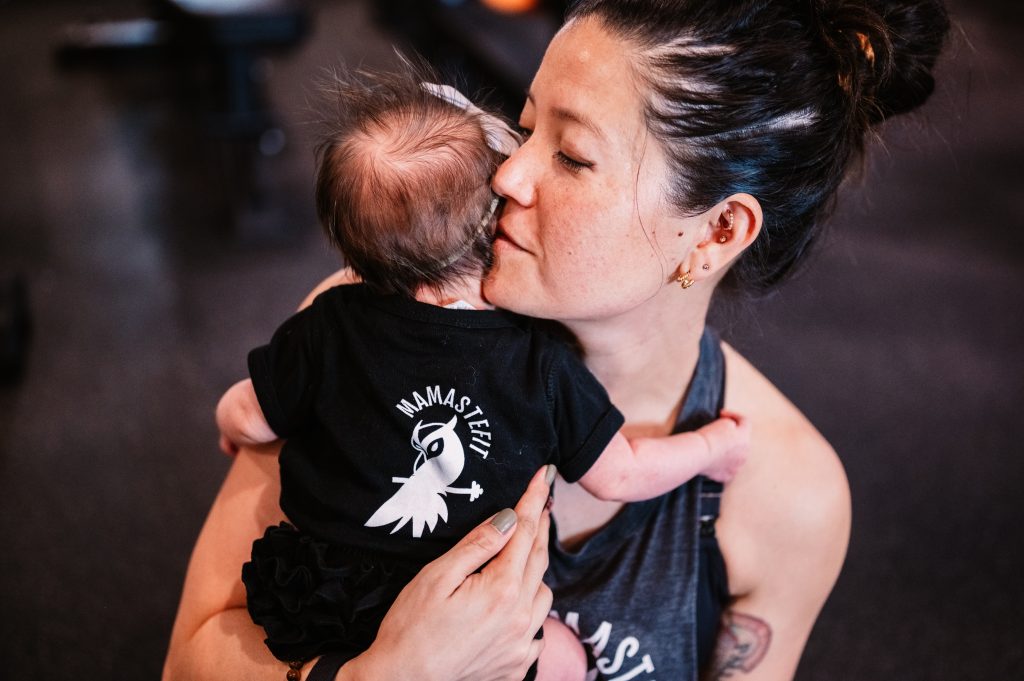
Discover essential fitness tips for trying to conceive (TTC). Get insights on exercises, diet, and healthy habits to prepare your body for a successful pregnancy journey. Start your parenthood path with optimal health.
Is NOT Twisting During Pregnancy Harmful??
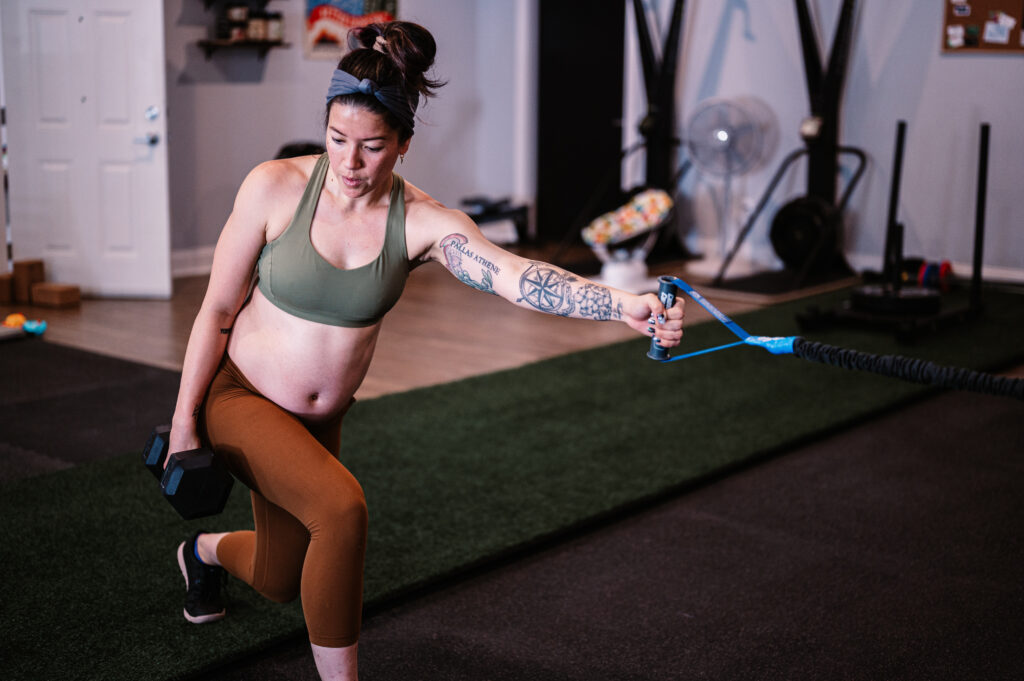
What if I told you that the outdated advice to NEVER twist or find closed hip positions could end up being harmful to you. It is a common belief that you should NEVER twist during pregnancy. If you’ve attended a prenatal yoga class, they may have also told you that you should ONLY do open hip positions and never find a closed hip position. But, this well-meaning (although incorrect) advice could end up causing more issues for you during pregnancy and labor! Read this blog to learn more on WHY.
Pelvic Opening Exercises for a Smooth Labor: Is Your Pelvis Too Small?

CPD stands for Cephaloplvic Disproportion and basically this just means that your pelvis is too small for your baby. And it could be that your baby is too large. So like, maybe you had gestational diabetes and you grew a baby that was very large for your body, or your pelvis truly is too small. And the safest route usually for these cases is a C section.
Ashley’s Birth Story: Overcoming Pandemic Challenges and Unexpected Precipitous Labor
For her first birth, we were actually planning to have a hospital birth. But then the COVID pandemic hit and so this really shifted where she felt safest giving birth. And so there was a lot of restrictions on who could be at her birth. And so at that time, it was going to be only her husband was going to be allowed.
Birth Prep: Top Two Movements

The top two movements to incorporate into your prenatal birth prep routine include: internal rotation at the hip and a posterior pelvic tilt. Why? Because these two movement patterns tend to be more difficult to access during pregnancy and could contribute towards a labor stall! Top 2 Movements For Birth Prep: During pregnancy, we tend […]
5 Breech Birth Stories: Vaginal Breech Birth, ECVs, and Scheduled C-Sections
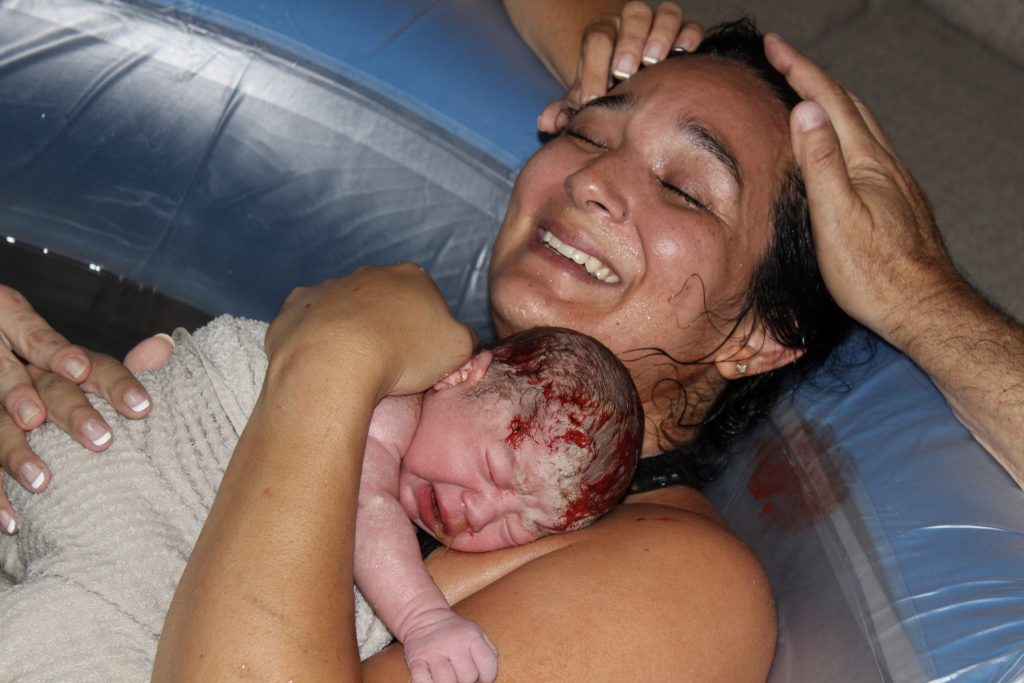
Discover empowering stories of vaginal breech births, successful External Cephalic Versions (ECVs), and scheduled C-sections. Learn about the options, risks, and the strength of parents facing unique childbirth journeys.