Your Pelvic Position Matters: Create More Space With These Tips!

Your pelvic position might not be something you think about often, but it plays a crucial role in your overall comfort and well-being. Whether you’re sitting at a desk, standing, or engaging in physical activities, how you position your pelvis can significantly impact your comfort and health.
Release Your Pelvic Floor Tension: 4 Essential Relaxation Exercises
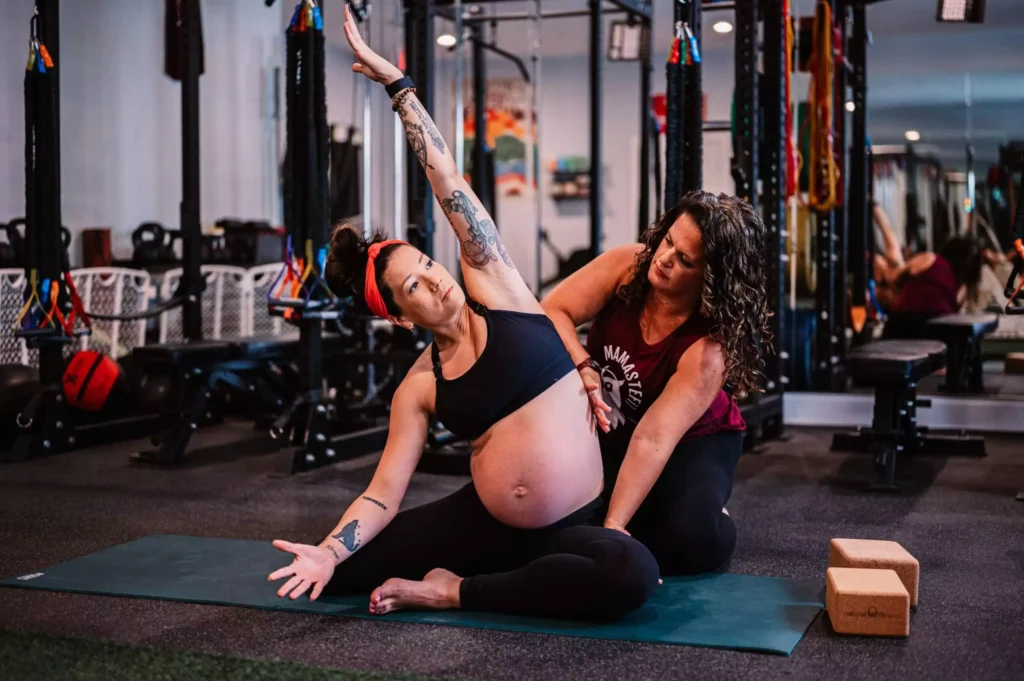
Unlock the secrets to pelvic floor relaxation with our expert-recommended exercises. Say goodbye to discomfort and hello to improved pelvic health. Start your journey to relaxation today.
5 Essential Must-Haves for International Travel with Kids
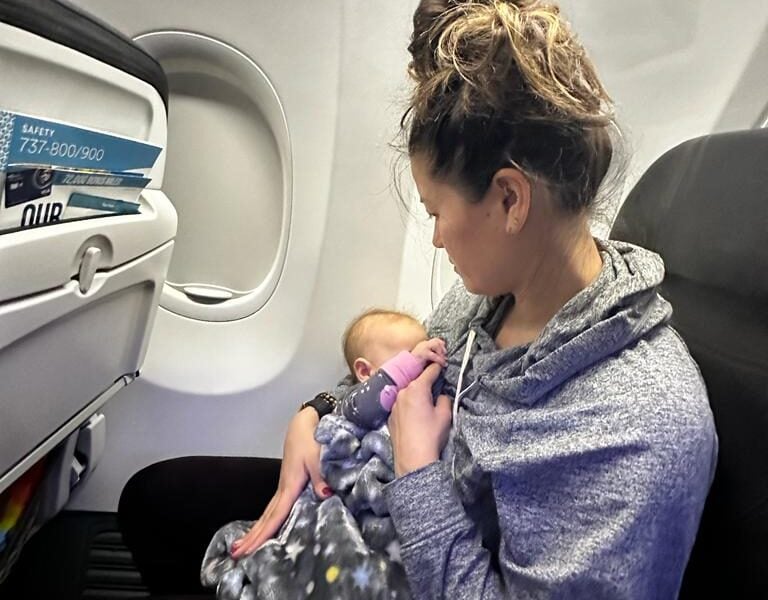
We just went on an exciting journey with my 3 kinds and my mom to South Korea to visit my mom’s birth country! Explore our expert tips on the 5 essential must-haves for international travel with kids. Make your journey memorable and hassle-free.
Unlocking Your Fertility: A Guide to TTC Prep and Understanding Your Cycle

Embarking on the journey to conceive our fourth child has been a unique experience. Unlike previous attempts, this time around, I’ve taken the longest and most comprehensive approach to TTC preparation. Understanding my menstrual cycle, monitoring ovulation, and optimizing our lifestyle for fertility have become daily priorities.
TTC Prep: Blood Work and How Hashimotos Affects Your Fertility?

When preparing for pregnancy and trying to conceive (TTC), understanding your thyroid health is crucial. Learn how blood work and Hashimoto’s thyroiditis can impact your fertility journey.
Traveling with Little Kids: 7+ Road Trip Must Haves for Baby and Toddlers

MamasteFit has you covered with expert tips and recommendations for road tripping with babies and toddlers. Discover the must-have items to keep your little ones happy and content throughout your adventure.
Does Being an Athlete Mean You’ll Have a C-Section? Myth Debunked!
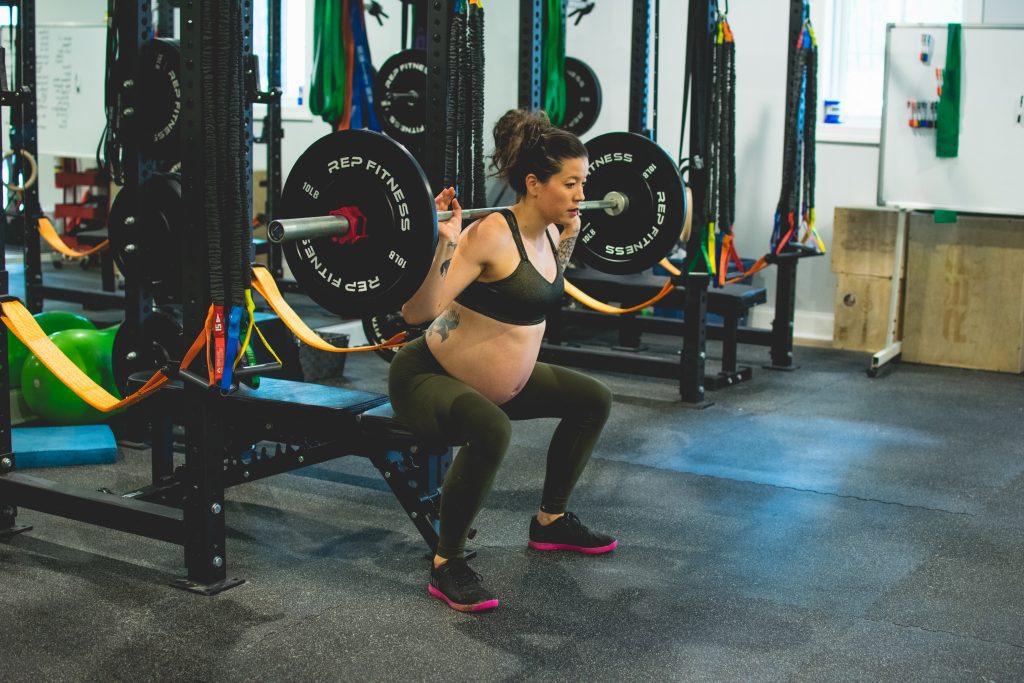
Does being an athlete mean you’ll have a c-section?? This is a common misconception when it comes to working out throughout pregnancy: “your pelvic floor will be too tight, you’ll need a c-section.” But prenatal exercise has numerous benefits for birth! Let’s explore this myth and how we can work towards a smooth labor!
Everything You Need to Know About Labor Stalls: Causes, Solutions, Tips
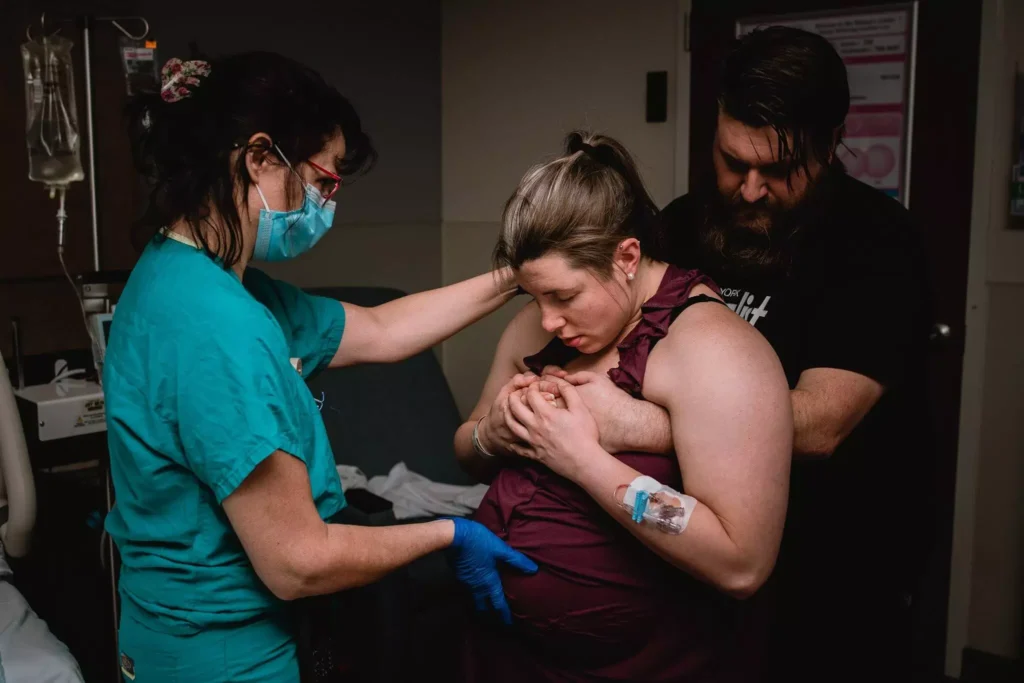
In this article we’re going to be sharing everything you need to know about labor stalls. What is a labor stall, what causes it, what to do to resolve it, and much more. Together with Keesha and Renee, who are certified nurse midwives, we will give you a complete guide for Labor Stalls.
How to Breathe During Pregnancy: Top Breathing Mistake and Its Effect On Your Birth
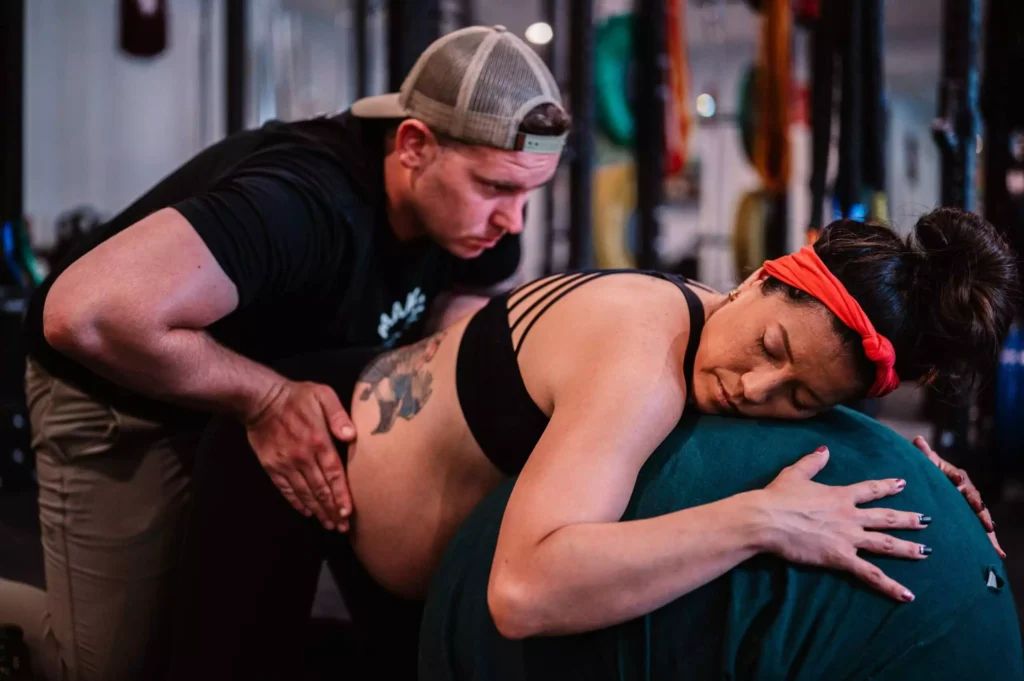
In this article you will find out about the most common breathing mistake that people do, especially during pregnancy and how it can influence your birthing experience.