
The first part of your baby’s path through the pelvis is to engage, or enter, the pelvic inlet. The pelvis has three levels: the inlet, the midpelvis, and the outlet. Your baby will navigate each level of the pelvis in their journey through for birth!
However, there is no one movement that opens the entire pelvis–each pelvic level opens with different types of movement patterns. And to make it even more complicated, each pelvic level also has an anterior (front) and posterior (back) portion, plus a left and right–which all open in different ways too.
So, as you can see there is a LOT of movement that needs to happen on your part to create more space in your pelvis as your baby is navigating their way through it for birth! Let’s break down how we can create more space in the TOP of the pelvis, the pelvic inlet, to help your baby engage!
The top of the pelvis has an anterior and posterior portion that each opens in a slightly different way.
The anterior inlet opens more with external hip rotation and ABduction (wide knees with feet in, ankles out) combined with an anterior pelvic tilt (arched in your back). The external hip rotation with ABduction creates more space side to side in the pelvis inlet, and an anterior pelvic tilt makes it easier to find that external rotation. Pelvic position matters when it comes to hip rotation influencing pelvic diameters!!
It’s important to note that you can torque the hip in all sorts of positions, but that does not mean it will impact pelvic space! An anterior pelvic tilt position makes external hip rotation easier and influences the pelvic inlet diameter side-to-side!
The posterior inlet opens more with a posterior pelvic tilt (tucking the butt underneath or rounding in the back), as it moves the sacral promontory (junction of lumbar space and sacrum) backward–creating more space from front to back.
It’s the combination of moving between these two movements that will help your baby enter your pelvis, such as with pelvic tilting or rocking back and forth.
When opening the top of the pelvis, a posterior pelvic tilt is one of the necessary movement patterns–but common areas of tension during pregnancy can restrict your ability to find a rounded position. Our free MamasteFit Birth Prep Circuit addresses these common areas of tension, making it easier for you to find that rounded position to create more space at the top of your pelvis!
Sign up for our newsletter to grab our free guide–which includes video instruction, as well!
Labor Positions to Open the Top of the Pelvis
Now that you understand the two different types of movements required to open the top of the pelvis–let’s explore some labor positions that help to create this type of opening: pelvic rocking!
When we rock the pelvic forward and backward, we create more space in the top of the pelvis with that anterior and posterior pelvic tilt. Movements such as an all fours pelvic rock can be helpful, and was one of my favorite laboring positions to help my baby engage in my own births.
Learn more labor positions in our online childbirth education course.

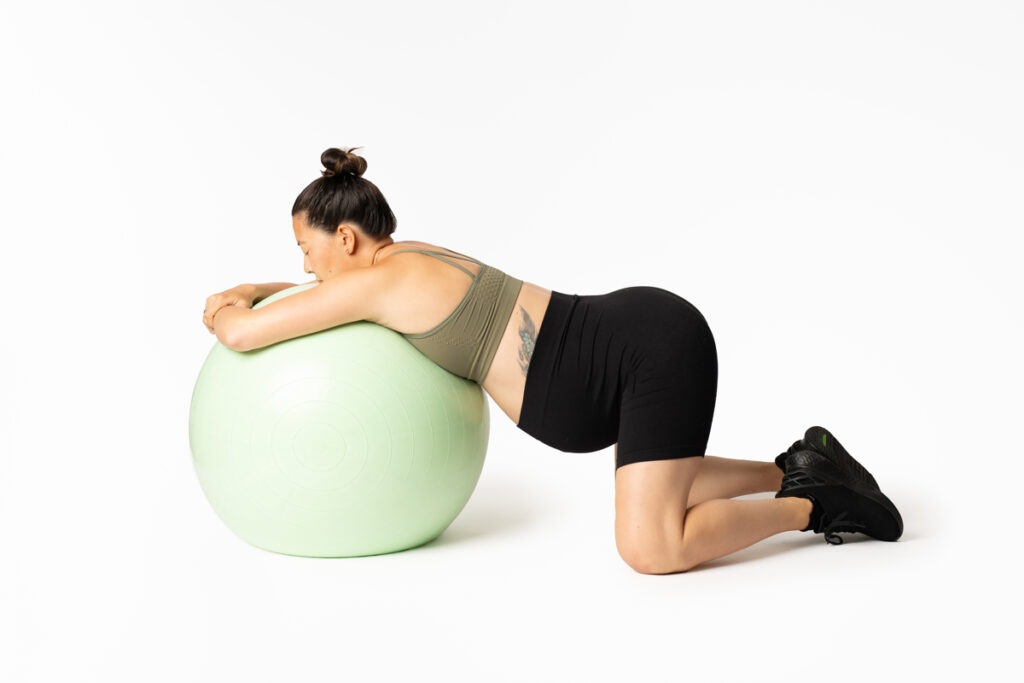
There are tons of labor positions you can do that involve a front-to-back motion of the pelvis–essentially you are alternating between opening the anterior inlet and posterior inlet to help your baby rock into the inlet and descend to the midpelvis! Motion is lotion when it comes to birth–and a main reason why exercising throughout your pregnancy has such a positive impact on your birth!
Watch the MamasteFit Podcast to learn how you can create more space in the top of the pelvis, plus ways to help if your baby gets “caught” on the pubic bone trying to enter the pelvis.
The MamasteFit Podcast releases new episodes every Wednesday and new birth stories every Friday. Listen to our weekly podcast on Spotify, Apple Podcast, and watch our podcast on YouTube.
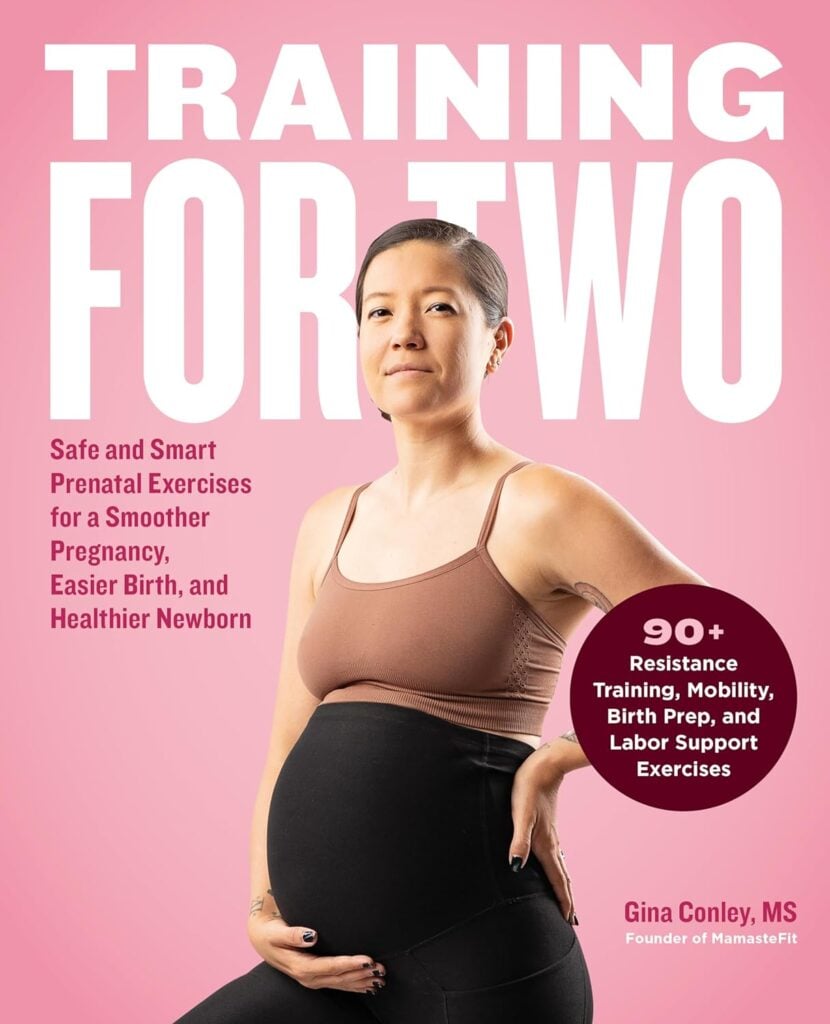
Want to learn more on how to use prenatal fitness to support a strong and pain-free pregnancy, plus exercises to release tension in the pelvic floor and open the pelvis for birth? We also break down how to use prenatal exercise and labor positions to support your baby’s position!
Pre-order our book Training for Two! This book includes 90+ exercises to build your confidence as you navigate fitness throughout your pregnancy and prep for birth, plus a whole chapter on early postpartum recovery!
Prep for Birth: Prenatal Exercises to Prepare to Open the Top of the Pelvis
The good news is you don’t need to wait until birth to figure out how to open the top of the pelvis–you can incorporate exercises into your prenatal routine to ensure you have the movement capability to create space in each pelvic level. This is a big component of our prenatal fitness programs–not only do we want to help you stay strong throughout your pregnancy, but also prepare you for birth!
The top of the pelvis opens more with external hip rotation with abduction and an anterior pelvic tilt AND a posterior pelvic tilt–so this YouTube workout video includes prenatal exercises to help you be able to achieve all of those movement patterns to help your baby enter into the pelvis.
If you want daily prenatal workouts that prepare you to open each pelvic level (because there is more than just these exercises), join our online prenatal fitness programs!
Prepare for Your Birth with MamasteFit Prenatal Fitness Programs
If you want more daily workouts to support a strong pregnancy as you prepare for birth, join our online prenatal fitness programs!
MamasteFit is unique in that we are one of the ONLY prenatal/postnatal training facilities in the United States. We develop our workout programs from our experience of working with in-person pre/postnatal fitness clients and work closely with physical therapists to refine our programming. In addition, we are birth workers, so we combine our experience as perinatal fitness trainers and birth professionals to ensure that our programs actually support your birth preparation and recovery!
Our prenatal fitness programs are offered in several formats:
- 40-Week Prenatal Strength Program in the Teambuildr App:
- This program is a self-paced workout with shorter demo videos. This is ideal if you like to workout in a gym setting and prefer a traditional workout delivery format.
- This program syncs to your current week of pregnancy, so you can start anytime, with one-time payment or month-to-month payment options.
- This program has a full and mini version, depending on how much time you have to dedicate to workouts!
- Prenatal On-Demand Fitness Program:
- If you prefer to follow a video as you workout at the same time, this workout program will be the best option!
- This program syncs to your current trimester, so you can grab the trimesters you need!
- Prenatal Yoga Classes:
- If you want prenatal yoga, join our prenatal yoga program! This also syncs to your current trimester.
Open the Top of the Pelvis: Help Your Baby Engage
No one movement opens the entire pelvis–so it’s important throughout pregnancy that we incorporate movement into our daily routine that will support our birth preparation. The top of the pelvis is the pelvic inlet and there is an anterior and posterior portion of the inlet. The anterior inlet opens more side-to-side with external hip rotation, abduction, and an anterior pelvic tilt–this also changes the pubic bone angle making it’s easier for the baby to enter into the pelvis. The posterior inlet opens more with a posterior pelvic tilt, which creates more space front-to-back by pulling the sacral promontory backward.
We can incorporate all of these movement patterns into our prenatal workout to support our baby’s position and an easier birth!

Learn the science of pregnancy and birth to take the mystery of labor away! Understand why you are feeling what you feel, and learn strategies to confidently move through pregnancy and birth!
- 9h+ of Video
- Support Group
- Close Captioning

- 5 Workouts/Week
- Gym Workouts
- Self-Paced

Instructor
GINA
Workout on-demand with our prenatal fitness workout videos! Each workout is 30-40 minutes to follow along as you exercise at the same time!
- Birth Prep
- All Trimesters
- Mobility Work

Instructor
GINA
Find comfort and relief from pelvic girdle pain throughout your pregnancy and postpartum period! This program incorporates myofascial sling focused exercises to stabilize across the pelvic girdle joints.
- 3 Weeks
- On Demand Workout Videos to Follow